
In today's dynamic housing market, expanding your living space has never been more crucial. An Accessory Dwelling Unit (ADU) offers a practical and profitable solution, providing an additional income stream while enhancing your living environment. However, transforming this unused space into a cozy and inviting area can be challenging, especially when seeking design ideas for adus. This article guides you through the process, offering seven expert tips to ensure your ADU is not only functional but also feels like a warm and welcoming extension of your home. From selecting the right layout to choosing inviting color schemes, these insights will empower you to create a space that's both practical and aesthetically pleasing.
- Plan for Comfort: Prioritize Functionality in ADU Design
- Warmth and Texture: Create a Cozy Atmosphere
- Natural Light: Maximize Illumination in Small Spaces
- Smart Storage: Optimize Space with Creative Solutions
- Inviting Color Schemes: Paint Your ADU's Personality
- Comfortable Seating: Arrange Spaces for Relaxation
- Personal Touches: Add Unique Design Ideas for ADUs
Plan for Comfort: Prioritize Functionality in ADU Design

Creating a comfortable and inviting ADU (Accessory Dwelling Unit) involves thoughtful space planning and the strategic selection of building materials. When designing an ADU, prioritize functionality and comfort to ensure the space is not just compliant with local regulations (like those in Van Nuys and Los Angeles) but also a place where people will want to spend time. An eco-friendly approach can enhance both the environment and the indoor comfort, so consider using sustainable building materials. Natural insulation, energy-efficient appliances, and locally sourced timber can significantly reduce a structure's carbon footprint while providing a cozy atmosphere.
Space planning is a crucial aspect of ADU design. Think about how the layout will support the intended use, whether it's a home office, guest suite, or studio. A well-designed floor plan (refer to our ADU floor plan options) should maximize the use of space, ensuring each area serves a purpose. In a smaller ADU, consider incorporating multifunctional spaces that can double as living and working areas. This design idea for adus aims to make the most of limited real estate while maintaining a sense of comfort and openness.
The local ADU building regulations play a significant role in the design process. Different areas have varying codes and restrictions, so it's essential to understand what's permitted in your region. Some areas may have specific requirements for windows, insulation, and ventilation. Go ADU Construction, as a local expert, provides a practical guide to help navigate these regulations. By adhering to these guidelines and incorporating practical design choices, you can create an ADU that is not only inviting but also legally compliant.
Warmth and Texture: Create a Cozy Atmosphere
Creating a warm and inviting atmosphere in your ADU (Accessory Dwelling Unit) is essential for transforming it from a functional space to a cozy home. One of the key aspects of achieving this is through the strategic use of warmth and texture in design. Budget-friendly ADU transformations don't have to compromise on comfort or style. In fact, with some creative design ideas for adus, you can enhance the space's character and make it a welcoming retreat.
Start by focusing on the color palette. Earthy tones and neutral shades, such as warm whites, beiges, and greys, can instantly create a sense of intimacy and warmth. These colors are versatile and can be easily incorporated into various design elements, from walls and flooring to furniture and textiles. A subtle beige paint job on the walls can make the space feel more open and inviting, while adding a plush area rug with a textural weave can introduce both warmth and a unique aesthetic.
Texture matters in creating a cozy atmosphere. Soft fabrics, like cotton, linen, and wool, can be used for throw blankets, curtains, and pillows, adding a tactile pleasure to the space. Natural materials, such as wood and bamboo, are also excellent choices for flooring and furniture, providing both warmth and a connection to nature. Incorporating these textures through accessories and furniture choices can make the ADU feel more lived-in and comfortable.
Consider the lighting as well. Layering different types of lighting, such as table lamps, floor lamps, and ambient lighting, can create a warm and inviting ambiance. Soft, dimmable lighting in the evenings can set a cozy mood, while well-placed windows that let in natural light during the day will make the space feel bright and cheerful. These design ideas for adus can make your ADU not just a functional space but a cherished part of your home.
Lastly, don't underestimate the power of personal touches. Displaying family photos, adding houseplants, or hanging artwork can make the space feel truly yours. These elements contribute to the overall warmth and inviting nature of your ADU, making it a space where you'll want to relax and unwind. When looking for the best ADU designers near me, keep these warmth and texture considerations in mind to ensure your ADU installation, whether it's a same-day setup or a more planned project, results in a cozy, inviting space.
Natural Light: Maximize Illumination in Small Spaces

Creating a warm and inviting atmosphere in a small ADU (Accessory Dwelling Unit) can be a challenge, but with thoughtful design ideas for adus, you can maximize natural light to make the space feel open and comfortable. Certified ADU experts and top-rated ADU contractors agree that light is a key element in achieving this balance, and it can transform the look and feel of your unit.
One of the most effective strategies is to leverage natural light as much as possible. This doesn't just mean adding more windows; it involves strategic placement, larger windows, and the use of light-colored materials to reflect and bounce light around the space. Consider a garage conversion ADU, where a clear, unobstructed view of the sky can be a design feature. Large, south-facing windows can let in ample sunlight during the day, reducing the need for artificial lighting. This not only saves on energy costs but also enhances the overall ambiance. In smaller spaces, where every square foot is precious, maximizing natural light can make the area feel larger and more inviting.
It's also crucial to consider the color palette and material choices. Lighter hues reflect light, creating a brighter environment. Paint, flooring, and even furniture fabric can contribute to this effect. A light-colored wooden floor, combined with white or light-toned walls, can make a space appear larger and more airy. Incorporating natural materials like wood or bamboo can add warmth without overwhelming the space. ADU design reviews often highlight successful uses of light and color to create a welcoming atmosphere, demonstrating that a well-lit, light-colored ADU can feel as cozy as any larger home.
Remember, the goal is to create a space that feels both functional and inviting. By focusing on natural light, you can achieve this balance in your ADU, making it a comfortable retreat for residents and a desirable space for potential guests.
Smart Storage: Optimize Space with Creative Solutions
Creating a functional and inviting space within a compact footprint is a key challenge when designing an Accessory Dwelling Unit (ADU). Smart storage solutions are essential for maximizing the potential of your ADU, ensuring it feels open and airy despite its size. In this section, we'll explore design ideas for adus that not only optimize space but also embrace eco-friendly building materials and innovative construction methods.
One effective approach to storage in limited spaces is to think vertically. This involves incorporating tall, slim storage units, and utilizing every available inch of wall space. Custom-built shelves that follow the contour of a slanted ceiling can add valuable storage while enhancing the aesthetic appeal of the room. Consider built-in nooks and cubbies, which can be incorporated into corners or under stairs, providing storage for a variety of items. Licensed ADU builders often recommend these solutions, as they not only maximize storage but also contribute to the overall flow and functionality of the space.
Another clever storage strategy is to go modular. This involves using stackable or expandable storage units that can be easily rearranged as needs change. Modular storage systems are particularly useful in dynamic living situations, allowing for flexibility in organizing the space. A folding or retractable desk can create a work area when needed, then be stowed away to open up the space for other uses. This type of adaptability is crucial in emergency ADU construction, where quick assembly and reconfiguration are often necessary.
Lastly, don't overlook the potential of underutilized spaces. Converting a rarely used attic or crawl space into a storage area can be a major improvement. These spaces can be transformed into efficient, climate-controlled storage units, accessible through a compact entrance. By utilizing these creative storage solutions, you can turn your ADU into a well-organized, inviting space that truly feels like home, all while embracing eco-friendly building materials and efficient construction practices.
Inviting Color Schemes: Paint Your ADU's Personality
Creating a welcoming and cozy atmosphere in your Accessory Dwelling Unit (ADU) is an art that combines functionality with aesthetic appeal. Color schemes play a pivotal role in setting the tone and personality of your space. When designing your ADU, consider the following tips to make it an inviting and memorable place.
Start by understanding the psychological impact of colors. Warmer tones like earthies and rich blues evoke a sense of comfort and coziness, making them ideal for living areas and bedrooms. A deep green on walls can create a tranquil and inviting ambiance, reminiscent of nature. Lighter hues, such as soft grays and pastels, are excellent for bathrooms and kitchens, promoting a sense of openness and freshness. Experienced ADU designers often use color to create visual interest while maintaining a harmonious flow. A striking feature wall with a bold color or a subtle accent color in decorative pillows and throw blankets can add character without overwhelming the space.
Incorporating color doesn't have to be complicated. Top-rated ADU contractors recommend starting with a neutral palette for a versatile and timeless look. Neutrals like beige, taupe, and soft whites provide a blank canvas for showcasing vibrant accents. Once the foundation is set, introduce colors that reflect your personality and lifestyle. Whether you're drawn to vibrant pops of color or subtle nuances, ensure the scheme complements your furniture and decor. Many successful design ideas for adus balance neutral walls with colorful accessories, ensuring the space feels both inviting and unique.
When selecting colors, consider the lighting in your ADU. Natural light can dramatically impact how colors appear, so choose shades that adapt beautifully under different lighting conditions. Remember that color choices should resonate with you and your family's preferences. Engaging with a reputable ADU design team can be invaluable, as they can guide you through the process, ensuring your color scheme is both aesthetically pleasing and tailored to your needs.
Comfortable Seating: Arrange Spaces for Relaxation
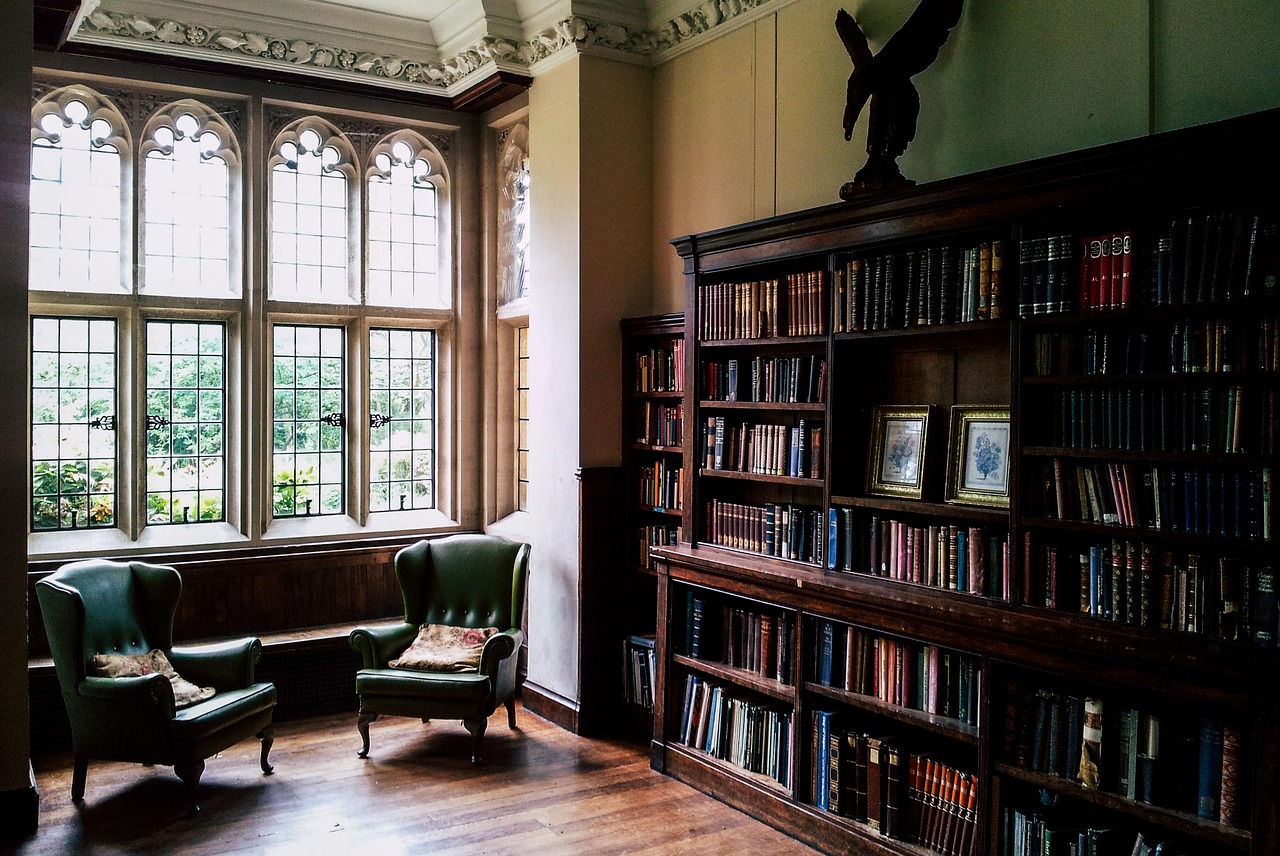
Creating a cozy and inviting space in your ADU (Accessory Dwelling Unit) is about more than just aesthetics; it's about making a functional, comfortable area that feels like home. One of the most important aspects of achieving this is through comfortable seating arrangements. This isn't just about choosing the right furniture; it's about designing spaces that encourage relaxation and conversation.
Start by considering the scale and layout of your ADU. If your space is compact, opt for multifunctional furniture, such as a sofa that converts into a bed or a coffee table with storage. This not only saves space but also adds versatility, catering to various activities and needs throughout the day. A fold-out chair or a plush window seat can provide ample seating without dominating the room. Think about the flow of traffic in your ADU as well. Ensure there's enough space for people to move around comfortably, especially if you plan to use the area for entertaining guests.
Incorporating natural light and warmth is another key design idea for adus. Large windows or a skylight can dramatically improve the ambiance, making the space feel brighter and more inviting. Soft, warm lighting fixtures complement this, providing both task lighting and ambient light that encourages relaxation. Consider using dimmable lights to adjust the mood according to the time of day or the activity taking place. A well-placed rug can also add a cozy touch, defining the seating area and providing a soft, comfortable surface for feet.
For furniture, choose pieces that reflect your style and are comfortable for extended periods. A plush armchair or a sectional couch can become the focal point of your ADU, creating a dedicated space for reading, watching TV, or simply unwinding. Consider the overall aesthetic of your ADU when selecting colors and materials. Neutral tones, such as greys and beiges, can make a space feel larger and more versatile, while bold accents add personality. Remember, the goal is to create a space where you feel at ease, so select pieces that resonate with you and your lifestyle.
For a low-cost adu renovation, focus on mixing and matching existing furniture with new pieces, utilizing second-hand or DIY solutions where possible. Working with certified ADU experts or trusted ADU design services can help you make the most of your space and ensure your project aligns with local building codes. By prioritizing comfort, functionality, and personal style, you can transform your ADU into a welcoming retreat that enhances your home's overall value.
Personal Touches: Add Unique Design Ideas for ADUs

Creating a cozy and inviting ADU (Accessory Dwelling Unit) goes beyond meeting building codes; it's about infusing personality and unique design ideas for ADUs that make it feel like home. While many focus on the structural aspects, incorporating personal touches can significantly elevate the space's ambiance. Think of it as blending functionality with aesthetics, creating a place where you, your family, or even guests can truly relax and enjoy.
One effective strategy is to leverage natural light. Large windows or skylights not only brighten the space but also connect it to the outdoors, making it feel more open and welcoming. A nearby ADU specialist in Los Angeles County might recommend incorporating floor-to-ceiling windows to take advantage of the region's pleasant climate. This simple design idea for ADUs can dramatically transform the space, making it feel both airy and intimate.
Another way to add a personal touch is through thoughtful color choices. Paint colors can evoke specific emotions and set the tone for the entire space. Warmer tones like earthy browns and deep greens can create a cozy atmosphere, while cooler hues like blues and grays can instill a sense of calm. Reliable ADU construction services in areas like Inglewood often incorporate these ideas, tailoring the color palette to the client's preferences and the property's unique character.
Custom furniture and decor pieces are also essential for making an ADU feel lived in and loved. Custom-built shelves, unique artwork, or even a handmade quilt can add a layer of personal history and personality. In emergency ADU construction scenarios, these details might not be immediately apparent, but they quickly become the heart of the space once completed. A garage conversion in Burbank by Go ADU Construction featured custom-made dining tables that became the focal point of the newly created living area, bringing people together and making the ADU feel distinctly home-like.
Frequently Asked Questions About How to Create a Cozy and Inviting ADU: 7 Design Tips
What is an ADU and why would I want one? An Accessory Dwelling Unit (ADU) is a secondary residence built within or on the property of a primary home. It offers a private living space, often for family members or guests, while enhancing the property's value. With a well-designed ADU, you can create a cozy, inviting space that promotes comfort and community, making it a popular trend in urban and suburban areas.
How do I ensure my ADU feels cozy and inviting? Focus on creating a warm ambiance through thoughtful design choices. Consider using soft, natural lighting, comfortable furniture, and warm color palettes. Incorporate elements like a cozy fireplace, plush rugs, and comfortable seating areas. Plants and houseplants add a touch of nature, improving the overall inviting feel.
What layout design works best for an ADU? Open floor plans are popular for ADUs, promoting a sense of spaciousness and community. Consider a combined living and dining area, with a kitchenette nearby. A private bedroom and bathroom ensure comfort and privacy. Ensure adequate circulation and natural light in each space for functionality and a welcoming atmosphere.
How can I make my ADU energy-efficient? Implementing energy-efficient practices in your ADU not only reduces utility costs but also contributes to sustainability. Utilize energy-efficient appliances and lighting. Proper insulation, double-glazed windows, and efficient HVAC systems significantly improve energy conservation. Solar panels or other renewable energy sources can further enhance energy efficiency.
What design features make an ADU accessible for all? Incorporating universal design principles ensures accessibility for individuals of varying abilities. Consider features like slip-resistant flooring, grab bars in bathrooms, and clear pathways. Lower counters and accessible lighting are beneficial. These modifications make the ADU welcoming and functional for everyone, promoting inclusivity.
Creating a cozy and inviting ADU (Accessory Dwelling Unit) is about more than just adding square footage; it's about crafting a space that feels like home. By focusing on functionality, warmth, natural light, smart storage, color, seating, and personal touches, you can transform a small space into a comfortable retreat.
Prioritize open floor plans for better circulation and natural light, and incorporate creative storage solutions to maximize space. Add warmth through texture and inviting color schemes, ensuring the space is as comfortable as it is aesthetically pleasing.
Comfortable seating areas, whether it's a cozy nook or a well-appointed patio, encourage relaxation and conversation. Finally, infuse the ADU with your personal style, using unique design ideas that reflect your taste and make the space truly your own.
These seven design tips provide a solid foundation for crafting a welcoming ADU, turning what could be a simple addition into a functional and inviting extension of your home.
Designing a Cozy ADU:
- Space Planning: Create a well-organized layout, considering intended use (home office, guest suite).
- Local Regulations: Understand and adhere to building codes, focusing on windows, insulation, ventilation.
- Warmth and Texture: Incorporate earthy tones, neutral shades, soft fabrics, and natural materials for a welcoming feel.
- Lighting: Layer different types of lighting for ambiance, combining natural and ambient lighting.
- Personal Touches: Display family photos, add houseplants, artwork to make the ADU feel unique and lived-in.
- Storage Solutions: Utilize modular, expandable storage, underutilized spaces, and creative solutions for efficient organization.