The growing demand for sustainable living has made accessory dwelling units (ADUs) a hot topic in urban planning and home design. Ideas for adus that incorporate eco-friendly practices not only contribute to a greener future but also offer homeowners an opportunity to reduce their carbon footprint. However, integrating sustainability into ADU design can be challenging, especially when balancing aesthetics, functionality, and environmental impact. This article provides a practical guide to 10 innovative design ideas for adus that prioritize sustainability, offering practical solutions and expert insights to help you create a space that's both comfortable and kind to the planet.
- Efficient Space Planning: Maximizing ADU Functionality
- Renewable Energy Integration: Powering Your ADU Green
- Eco-Friendly Materials: Choosing Sustainable Building Options
- Water Conservation Strategies: Efficient ADU Plumbing Design
- Natural Lighting and Ventilation: Illuminating Your ADU Eco-Consciously
- Outdoor Connection: Blending Nature with ADU Design Ideas
Understanding ADU Sustainability: A Foundation for Eco-Design
Understanding sustainability in ADU design is crucial for environmentally conscious homeowners looking to expand their living spaces. For first-time homeowners considering an ADU (Accessory Dwelling Unit), prioritizing eco-friendly design ideas can ensure a responsible and future-proof investment. This foundation isn't just about aesthetics; it involves selecting materials, optimizing energy efficiency, and integrating renewable resources.
Top-rated ADU contractors recognize the growing demand for reliable adu construction that aligns with sustainability goals. One practical approach is to embrace natural lighting and ventilation, reducing the need for artificial lighting and cooling. Designing larger windows and skylights in ADU floor plans allows daylight to illuminate the space, cutting energy consumption for lighting. Cross-ventilation strategies, where windows are strategically placed to facilitate airflow, can also help regulate indoor temperatures, minimizing reliance on air conditioning.
Another key design idea is the efficient use of space and materials. Utilizing modular construction techniques allows for precise material measurement and reduces waste. Locally sourced, recycled, or sustainable materials such as bamboo, reclaimed wood, or energy-efficient insulation further minimize the environmental impact. These practices not only contribute to a smaller carbon footprint but also offer long-term cost savings. Incorporating smart home technology enables homeowners to monitor and control energy usage, further enhancing the eco-friendly profile of the ADU.
By integrating these design ideas, first-time homeowners can create not only functional and stylish ADUs but also environmentally responsible spaces. Engaging with experienced ADU builders who specialize in sustainable design ensures a successful project that aligns with both personal preferences and eco-conscious values.
Efficient Space Planning: Maximizing ADU Functionality
Efficient space planning is a cornerstone of eco-friendly ADU design, ensuring that every square foot is utilized to maximize functionality and comfort. When planning an ADU (Accessory Dwelling Unit), consider a modular approach, utilizing adjustable furniture and built-in storage solutions to adapt to evolving needs. A custom-built loft bed in a small space not only saves floor area but also creates a cozy reading nook or workspace. This strategy, popular among sustainability enthusiasts, reduces material waste and encourages versatile living.
Reliable ADU construction involves working with designers who understand the unique challenges and opportunities of these compact spaces. The best ADU designers near me, for example, often employ clever design ideas that blend functionality with eco-conscious materials. Consider a kitchen island that doubles as a dining table, seamlessly integrating dining and cooking areas. Similarly, a sliding door system can transform a flexible living area into separate spaces for relaxation and entertainment, optimizing the ADU's overall utility. Affordable ADU design ideas, when coupled with efficient planning, can result in a cozy and highly functional residence without breaking the bank.
Another innovative technique is the strategic use of natural light and ventilation. Large windows and skylights not only brighten up the space but also reduce the need for artificial lighting, contributing to energy savings. Proper insulation and cross-ventilation design can further enhance comfort while minimizing the environmental impact. By integrating these eco-friendly practices, you not only create a space that aligns with sustainability principles but also enjoy the benefits of a well-designed, efficient ADU.
Renewable Energy Integration: Powering Your ADU Green

Renewable energy integration is a key component of sustainable ADU design, transforming these auxiliary structures into environmentally friendly powerhouses. When planning your ADU, consider leveraging the sun's power through solar panels, a popular and effective choice for many sustainability enthusiasts. This not only reduces your carbon footprint but also offers long-term energy savings.
One innovative design idea for small spaces involves incorporating solar-powered lighting and appliances. This approach maximizes energy efficiency, making your ADU self-sufficient and minimizing reliance on the grid. LED lighting with solar panels can be installed in areas with natural light, reducing electricity consumption. Similarly, solar-powered appliances like water heaters and kitchen equipment can significantly lower energy costs. These design ideas not only promote sustainability but also offer practical solutions for optimizing limited space.
Exploring other renewable energy sources like wind or geothermal power, depending on your location and available space, can be a viable option. Many design reviews of ADUs highlight the benefits of these alternative energy systems, demonstrating their effectiveness in reducing environmental impact. By embracing these eco-friendly practices, ADU owners can contribute to a greener future while enjoying the comfort and convenience of their well-designed and reliable spaces.
Eco-Friendly Materials: Choosing Sustainable Building Options
When designing an Accessory Dwelling Unit (ADU) with sustainability in mind, the choice of eco-friendly materials is a crucial step. For first-time homeowners considering an ADU, selecting sustainable options not only aligns with your environmental values but also contributes to long-term cost savings and improved energy efficiency. Nearby ADU specialists and top adu designers near me can provide valuable insights into the latest eco-friendly materials and design ideas for ADUs.
One of the most impactful ways to make your ADU greener is by opting for locally sourced, recycled, or reclaimed materials. Local suppliers reduce the carbon footprint associated with transportation, while recycled and reclaimed products divert waste from landfills. Concrete, often a standard building material, can be replaced with recycled concrete aggregate, which is both sustainable and cost-effective. In floor planning, consider using bamboo or engineered hardwood flooring, which are highly durable and renewable resources. These materials not only add aesthetic appeal to your ADU but also offer superior strength-to-weight ratios, making them efficient choices.
Insulation matters in energy conservation, and there are numerous eco-friendly options available. Cellulose insulation, made from recycled paper, is an excellent choice due to its superior insulation properties and low environmental impact. Natural materials like sheep's wool or cotton can be used for a unique, breathable insulation solution. When designing the roof, consider using cool roofs that reflect sunlight, thereby reducing interior heat gain. Metal roofing is another sustainable option known for its longevity and recyclability.
In terms of design ideas for ADUs, integrating natural lighting and ventilation without relying heavily on artificial energy can significantly enhance sustainability. Large windows and skylights maximize daylight, reducing the need for electric lighting. Properly designed roof overhangs and strategic window placement can facilitate cross-ventilation, keeping the space comfortable year-round. These design considerations not only promote energy efficiency but also create a brighter, healthier living environment.
Water Conservation Strategies: Efficient ADU Plumbing Design

When designing eco-friendly ADUs, water conservation should be at the forefront. As sustainability enthusiasts seek to minimize their environmental impact, efficient plumbing systems are key. The best ADU designers near me and certified adu experts emphasize innovative strategies to reduce water usage without compromising functionality. Consider low-flow fixtures like aerated faucets and low-flush toilets, which can significantly cut water consumption without noticeable differences in performance.
Local ADU building regulations in Los Angeles and other areas often encourage these conservation methods, reflecting a broader trend toward sustainability. Go ADU Construction, for example, incorporates these practices into their design ideas for adus, ensuring compliance while promoting eco-friendliness. One effective approach is the installation of greywater recycling systems, which capture and repurpose water from sinks and showers for irrigation or toilet flushing. This not only conserves water but also reduces the overall environmental impact of plumbing systems.
The use of efficient appliances, such as Energy Star-rated dishwashers and washing machines, can complement these systems. Proper insulation around pipes can also mitigate heat loss, improving energy efficiency and further reducing water waste due to condensation. By integrating these water conservation strategies, ADU builders and designers are not only meeting local regulations but also contributing to a more sustainable future.
Natural Lighting and Ventilation: Illuminating Your ADU Eco-Consciously
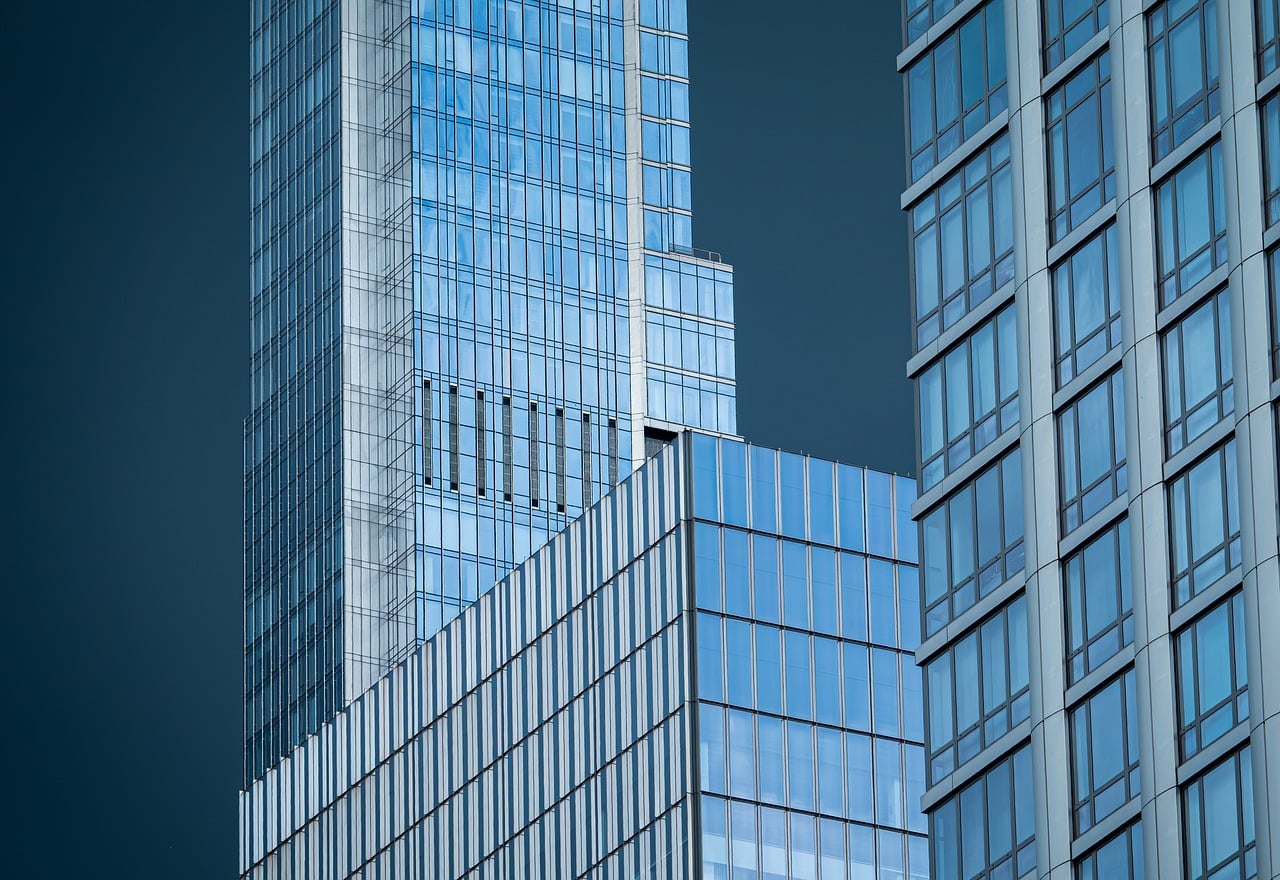
Natural lighting and ventilation are essential design considerations for eco-friendly ADUs (Accessory Dwelling Units), ensuring both energy efficiency and a comfortable living space. When incorporating sustainable practices, these elements can significantly impact the overall environmental footprint of your ADU, making it a top priority for sustainability enthusiasts. One of the most effective ways to enhance natural lighting is by strategically placing windows, taking advantage of the sun's path throughout the day. This design choice not only reduces the need for artificial lighting but also contributes to a healthier indoor environment.
Consider a south-facing ADU in Los Angeles, where the sun is strongest during the afternoon. Large, well-positioned windows on the south side can maximize natural light, making the space bright and inviting. This simple design idea can save energy and create a pleasant atmosphere without relying heavily on electric lighting. Proper ventilation is crucial for maintaining optimal air quality and temperature regulation. Implementing passive ventilation strategies, such as strategically placed vents and windows that create cross-breezes, can significantly reduce energy consumption. Top-rated ADU contractors and licensed builders in the area often employ these techniques, ensuring that your ADU is not only eco-friendly but also comfortable year-round.
To create an ideal natural lighting and ventilation system, nearby ADU specialists recommend integrating skylights for increased daylight and incorporating operable windows to allow for natural cross-ventilation. These design elements not only contribute to sustainability but also enhance the overall aesthetic appeal of your ADU. By thoughtfully integrating these eco-friendly practices, you can transform your ADU into a model of sustainable living, setting a new standard for green construction in your community.
Outdoor Connection: Blending Nature with ADU Design Ideas
Creating an eco-friendly ADU (Accessory Dwelling Unit) that seamlessly blends with its natural surroundings is a unique opportunity to combine functionality with sustainability. When designing ADUs, incorporating outdoor spaces and natural elements can enhance the overall living experience while minimizing the environmental impact. This approach not only offers a connection with nature but also provides practical, cost-effective solutions for small spaces.
Consider a low-cost ADU renovation that leverages natural light and ventilation. Large windows facing the garden can replace traditional air conditioning, reducing energy consumption. This design idea is not only budget-friendly but also creates a serene atmosphere, transforming the ADU into a tranquil retreat. Incorporating plants indoors and out can further enhance the eco-friendliness, providing natural air filtration and improving indoor quality.
In smaller spaces, vertical gardening and the use of space-saving, folding doors can be transformative. These design ideas maximize natural light and create a flexible living area that seamlessly connects with the outdoor environment. For areas with limited outdoor space, designing a compact, yet functional, ADU with built-in green walls or living roofs can provide a surprising amount of greenery while maintaining a small footprint.
Finally, leveraging local, sustainable materials can significantly reduce the carbon footprint of an ADU project. Using locally sourced, reclaimed wood or natural, non-treated materials for decking or furniture can contribute to a truly eco-friendly build. These affordable ADU design ideas not only promote sustainability but also create a unique aesthetic that celebrates the natural beauty of its surroundings.
As we've explored the multifaceted world of eco-friendly ADU design ideas, several key insights emerge. First, a strong foundation in sustainable practices, from efficient space planning to renewable energy integration, is crucial for creating functional and environmentally conscious ADUs. Choosing eco-friendly materials and implementing water conservation strategies not only reduces the building's environmental impact but also offers long-term cost savings.
Natural lighting and ventilation play a vital role in enhancing energy efficiency and creating healthy living spaces. Integrating outdoor areas seamlessly with thoughtful design ideas enriches the overall experience, connecting inhabitants with nature.
Practical next steps include:
- Evaluating your property's potential for ADU design ideas, focusing on maximizing natural resources.
- Consulting with experts for personalized advice on renewable energy sources and sustainable building materials.
- Exploring local permits and incentives that support eco-friendly ADU construction in Van Nuys or other areas like Los Angeles County.
By embracing these design ideas for adus, you're not just adding valuable living space; you're contributing to a greener, more sustainable future.
Designing eco-friendly ADUs requires prioritizing sustainable materials, energy efficiency, and natural lighting/ventilation. Efficient space planning, locally sourced materials, water conservation, and integrating outdoor spaces are key. Top ADU contractors focus on these design ideas to create responsible, future-proof investments that align with environmental goals.