
In today's dynamic real estate market, converting a garage or adding an accessory dwelling unit (ADU) offers a compelling solution for both homeowners seeking extra living space and developers looking to maximize property value. However, selecting the right exterior materials for your ADU is crucial. The exterior matters in defining the structure's aesthetics, durability, and energy efficiency. This article provides expert insights into choosing materials that not only complement your design ideas for adus but also stand the test of time, ensuring your ADU is a smart investment. We'll guide you through the process, from understanding climate considerations to selecting durable and low-maintenance options, ensuring your ADU exterior is both functional and visually appealing.
- Understanding Your ADU's Exterior Design Needs
- Material Options for Your ADU: A Comparison
- Weatherproofing and Durability: Key Considerations
- Esthetics and Style: Aligning with Your Vision
- Budget-Friendly Choices for ADU Exteriors
- Local Building Codes and Material Regulations
- Installation Tips for a Long-Lasting Exterior
Understanding Your ADU's Exterior Design Needs
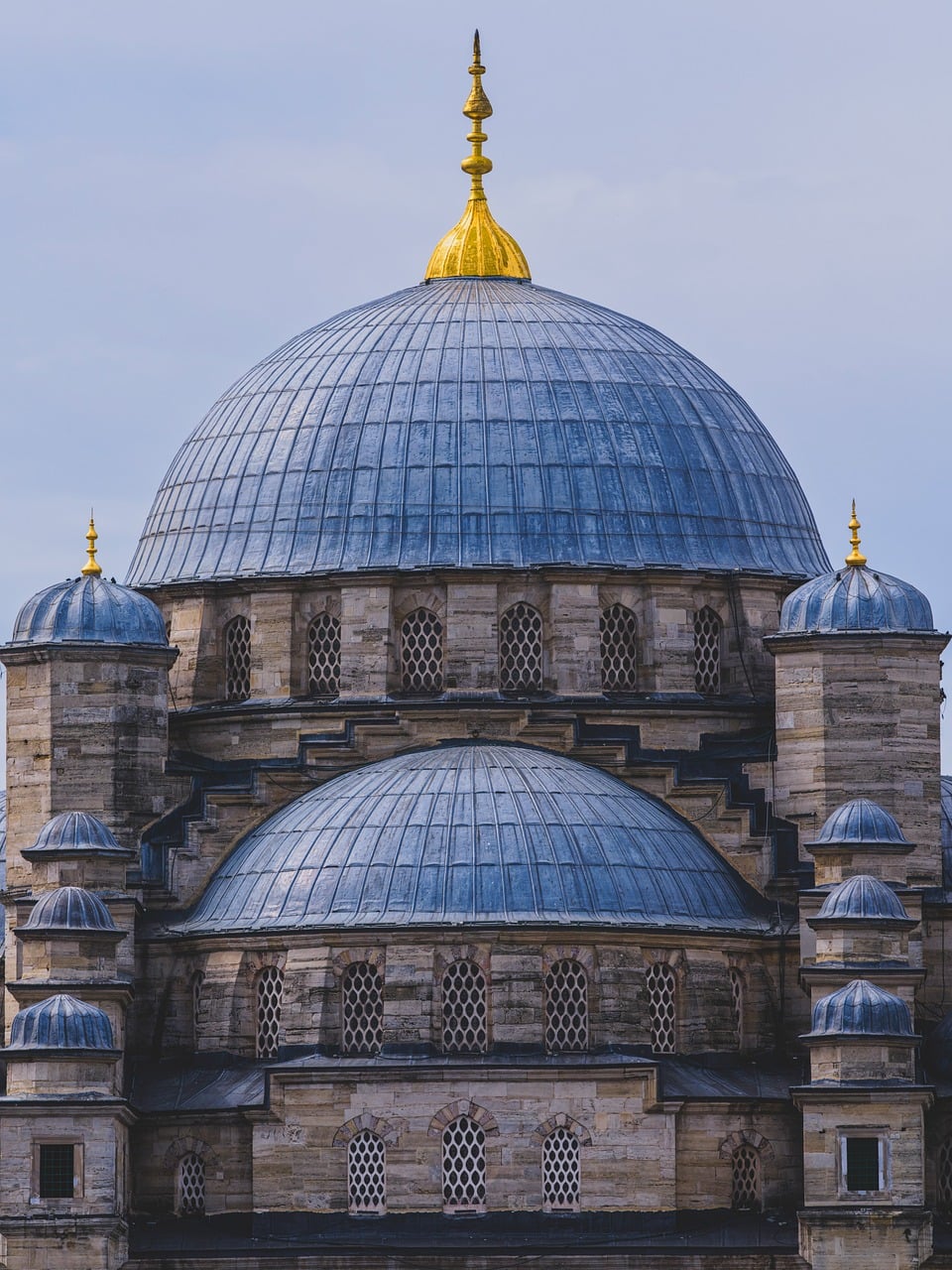
When considering the right materials for your ADU's exterior, understanding your design needs is crucial. An Accessory Dwelling Unit (ADU) is not just an additional space; it's an extension of your home's character and functionality. The exterior design should complement your neighborhood, reflect your personal style, and align with the building's intended use. A garage conversion ADU may demand a more industrial aesthetic, while a standalone unit in a residential area could benefit from a more homey, traditional look.
Certified ADU experts recommend starting with a clear vision, whether it's a modern, minimalist design or a charming, rustic appeal. Once you've defined your style, consider the practical aspects of the materials. In areas prone to heavy rain or snow, water-resistant and durable options are essential. Wood, for example, requires regular maintenance but offers a warm, inviting look, while vinyl siding is low-maintenance and cost-effective. For areas with hot climates, reflective materials like metal roofing can help keep the interior cool, reducing energy costs.
The speed of installation is another factor. With same-day ADU installation services available, you can have a fully functional space in a matter of hours. However, complex designs or unique materials might extend this timeline. Emergency ADU construction is also an option for unforeseen situations, ensuring you're prepared for unexpected living needs. When selecting materials, balance aesthetics, durability, and installation speed to meet your specific ADU project requirements.
Material Options for Your ADU: A Comparison
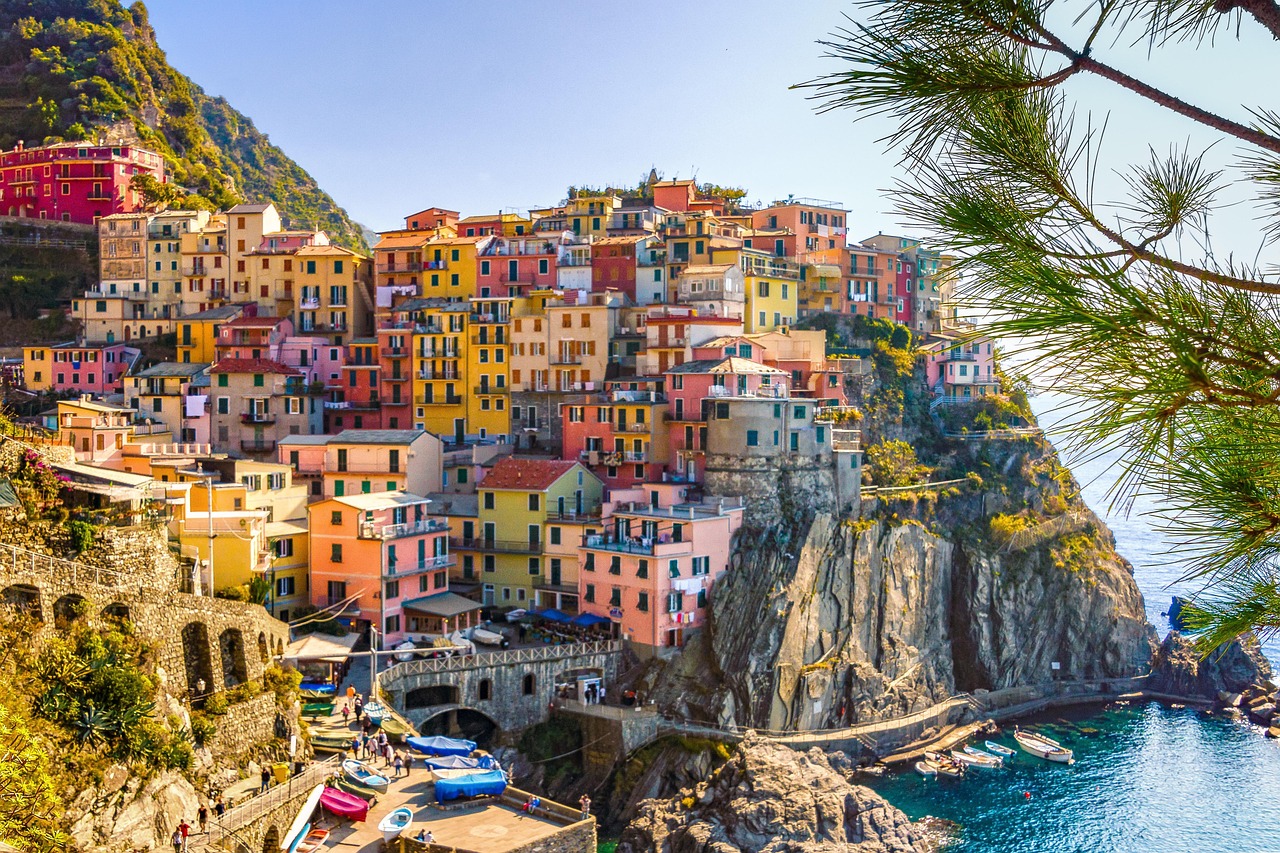
When selecting materials for your ADU (Accessory Dwelling Unit) exterior, the choice can seem overwhelming, especially with the numerous design ideas for adus available. This decision is crucial as it impacts both the aesthetic appeal and longevity of your investment. Here, we explore the material options, guiding you through the process to ensure a successful low-cost ADU renovation while comparing various elements to help nearby ADU specialists and licensed builders assist you in making the right call.
The most common materials for ADU exteriors include vinyl siding, fiber cement siding, stucco, and wood. Vinyl siding is a popular choice due to its low cost, ease of installation, and minimal maintenance. It offers a wide range of colors and styles, making it adaptable to various design ideas for adus. However, it may not provide the same level of durability as other options. Fiber cement siding, on the other hand, is known for its strength and resistance to fire, decay, and pests. It's a more expensive option but can last for decades, making it a smart choice for long-term value. Stucco, a traditional choice, offers excellent durability and a classic look but requires more skill to install and may be more costly for repairs. Wood siding, while offering a natural aesthetic, needs regular maintenance and can be less durable in areas prone to moisture.
Consider the climate in your area and the overall look you want to achieve. If you're aiming for a rustic charm, wood might be suitable, but it requires more upkeep. In contrast, fiber cement siding or stucco could be ideal for a more modern, durable design. Consulting with licensed ADU builders in your region who specialize in low-cost ADU renovations can offer valuable insights tailored to your specific needs. They can guide you through the process, ensuring your exterior not only looks great but also stands the test of time.
Weatherproofing and Durability: Key Considerations

When selecting materials for your ADU's exterior, prioritizing weatherproofing and durability is essential for a successful and long-lasting project. The Los Angeles climate presents unique challenges, requiring robust materials that can withstand high temperatures, strong winds, and occasional moisture. A well-designed exterior not only enhances the aesthetic appeal of your auxiliary dwelling unit (ADU) but also ensures it remains structurally sound for years to come.
Reliable ADU construction involves choosing materials that offer both strength and flexibility. Concrete, for example, is a popular choice for foundations and walls due to its durability and resistance to warping. Steel framing is another top-rated option, providing excellent wind resistance and a long lifespan. For roofing, consider long-lasting materials like asphalt shingles, metal, or tile. These options offer superior protection against extreme weather conditions common in the area. Eco-friendly ADU building materials are gaining popularity among homeowners conscious of their environmental impact. Materials such as recycled metal, bamboo, or energy-efficient insulation can significantly reduce your project's carbon footprint without compromising performance.
In Van Nuys, ADU permits are a crucial step in the construction process, ensuring your project complies with local building codes. Top-rated ADU contractors understand these regulations and can guide you in selecting materials that meet the necessary standards. When designing an ADU floor plan, consider the placement of windows and doors to optimize ventilation and natural light while minimizing potential entry points for moisture. A well-planned exterior, combined with high-quality materials, will result in a reliable and durable ADU that adds value to your property. Always consult with experienced contractors who can offer expert advice tailored to your specific project needs and the local climate.
Esthetics and Style: Aligning with Your Vision
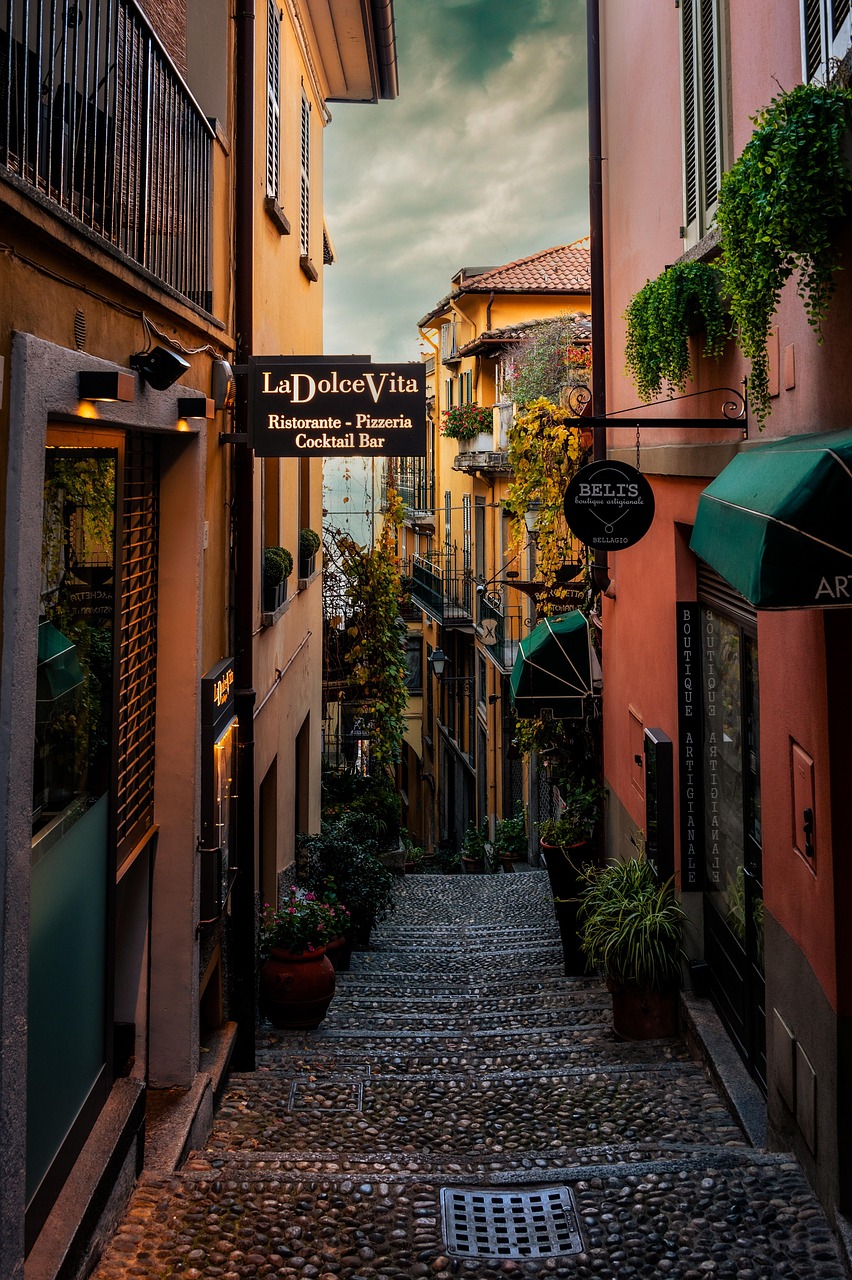
For the exterior of your Accessory Dwelling Unit (ADU), the design and materials you choose can significantly impact its overall look, value, and even energy efficiency. Esthetics and style are essential aspects of any renovation, and your ADU is no exception. Aligning your exterior design with your vision not only creates a visually appealing space but also ensures your ADU complements the surrounding architecture and neighborhood.
Consider the architectural style of your main residence and the surrounding properties. A modern, minimalist home may pair well with a sleek, contemporary ADU exterior. Conversely, a traditional Victorian-style house could benefit from a more classic or period-appropriate design for its ADU. Incorporating local design ideas for adus can also enhance the overall aesthetic, ensuring your ADU fits seamlessly into the fabric of its community. Keep in mind that local ADU building regulations may influence material choices, so always check with your local authorities to ensure compliance.
Budget-friendly ADU transformations don't have to sacrifice style. In fact, creative material choices can offer unique, eye-catching designs while keeping costs down. For a cost-effective yet striking look, consider synthetic materials such as vinyl siding or fiber cement siding. These options mimic the appearance of wood or brick while offering the added benefits of durability and low maintenance. For a more natural, rustic feel, explore locally sourced, sustainable materials like cedar or redwood, which can provide a distinctive, warm aesthetic. Remember, the right material choices can transform your ADU into a striking architectural feature while staying within your budget and adhering to local regulations for same-day ADU installation.
Budget-Friendly Choices for ADU Exteriors
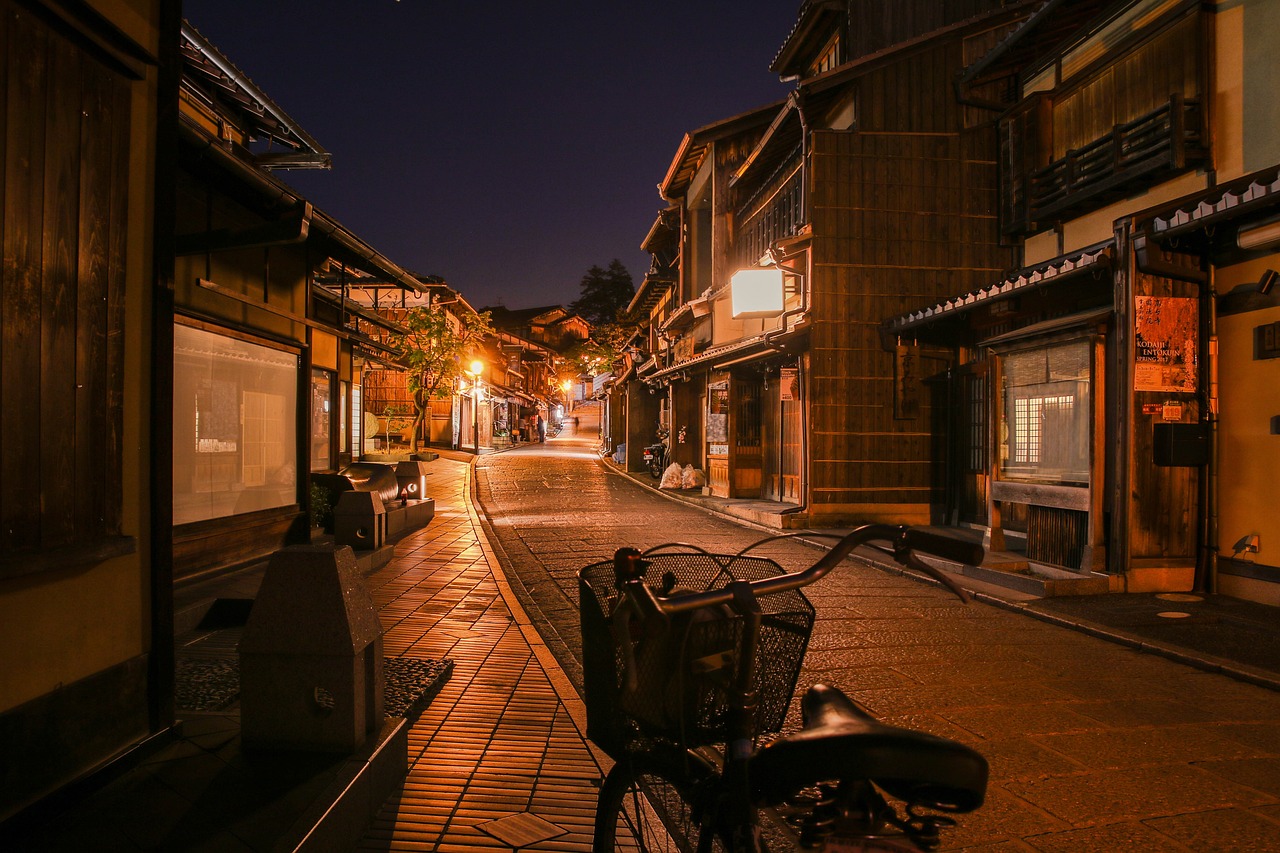
For your ADU's exterior, budget-conscious decisions are both possible and aesthetically pleasing. While the market offers a wide range of materials, it's essential to consider factors like durability, longevity, and your region's climate when selecting the right fit. Licensed ADU builders often recommend balancing cost-effectiveness with quality to ensure a sound investment.
For a low-cost ADU renovation, consider proven options like vinyl siding or fiber cement boards. Both materials are known for their affordability, ease of installation, and resistance to rot and pests. Vinyl siding, for instance, offers a wide array of colors and styles to suit various design ideas for ADUs, while fiber cement boards provide a more natural, textured look. These options can be easily installed by experienced ADU builders, making them a viable choice for those on a tight budget.
Beyond material choice, strategic design plays a crucial role in maximizing your ADU's curb appeal without breaking the bank. Simple design elements like a well-proportioned door, well-placed windows, and a consistent color palette can significantly enhance your structure's visual appeal. Examining ADU design reviews from local sources can provide valuable insights into what works well in your area. Remember, even budget-friendly choices can result in a beautiful and functional ADU when executed thoughtfully by a skilled contractor.
Local Building Codes and Material Regulations

When considering design ideas for ADUs, local building codes and material regulations are paramount. These guidelines govern everything from structural integrity to energy efficiency and safety. Some cities, like Van Nuys, have specific ADU permits and regulations that dictate what materials can be used, ensuring that these secondary dwellings meet the same high standards as primary residences.
In Los Angeles, where Go ADU Construction operates, builders must adhere to the California Building Code (CBC) and local city ordinances. This includes selecting materials that meet fire safety standards, such as fire-resistant siding or roofing. Eco-friendly ADU building materials are increasingly popular, with options like recycled or reclaimed wood, low-VOC paints, and energy-efficient windows not only meeting code but also contributing to a more sustainable community. Trusted ADU design services should be familiar with these codes and can guide you in selecting materials that not only comply but also enhance the value and appeal of your ADU.
Low-cost ADU renovation projects can benefit from using locally sourced, recycled, or repurposed materials. This not only reduces costs but also aligns with the growing trend towards sustainable building practices. Using recycled steel or aluminum for framing can be both cost-effective and compliant with local regulations. Prioritizing energy efficiency through material choices, such as insulating with recycled denim or using solar-powered lighting, can help reduce operating costs over the life of the ADU. Always consult with a professional contractor to ensure that your chosen materials meet both code requirements and your specific design needs.
Installation Tips for a Long-Lasting Exterior
When considering the exterior of your accessory dwelling unit (ADU), selecting the right materials is crucial for both aesthetics and longevity. A well-chosen exterior not only enhances the curb appeal but also ensures your ADU stands the test of time. Here, we examine practical installation tips to help first-time homeowners make informed decisions, drawing from insights provided by certified ADU experts and design reviews.
One of the key factors to consider is the climate in your area. Different materials have varying resistance to temperature extremes, moisture, and UV exposure. In Los Angeles, where the climate is characterized by hot summers and mild winters, selecting materials that offer excellent heat resistance and UV protection is essential. Composite siding, known for its durability and low maintenance, is a popular choice among ADU owners. It mimics the look of wood but is made from a blend of recycled materials and polypropylene, making it resistant to rot, mold, and insect damage, and requires minimal upkeep.
Another material worth considering is fiber cement siding, which has gained popularity due to its versatility and durability. This material is made from a mixture of cement, fiber, and water, offering excellent resistance to fire, moisture, and pests. Fiber cement siding can be easily installed by professional contractors and is available in a variety of styles, textures, and colors, allowing for creative ideas.
To ensure a long-lasting exterior, proper installation is paramount. First-time homeowners should consider working with certified ADU experts who can guide them through the process. These professionals understand local building codes and have the expertise to install materials correctly, ensuring optimal performance and longevity. Regular maintenance, including cleaning and inspection, also plays a crucial role in preserving the exterior of your ADU. By following these installation tips and seeking expert advice, you can create a beautiful and durable space that enhances your home's value and provides a comfortable living environment for years to come.
Choosing the right materials for your ADU's exterior involves balancing aesthetics, durability, and budget, guided by local building codes and your specific ideas. By understanding your region's climate and your personal style, you can make informed decisions that enhance your property's value while ensuring longevity. This article has explored various material options, emphasizing the importance of weatherproofing and providing practical installation tips. Now, you're equipped with the knowledge to select materials that align with your vision, meet local regulations, and withstand the test of time, ultimately transforming your ADU into a functional and appealing extension of your home.
Choosing the right ADU exterior materials balances design, durability, and budget. Consider:
- Design Style: Match exterior to neighborhood & personal taste (e.g., industrial, traditional, modern).
- Climate: Select materials resistant to local weather (e.g., heat, moisture, UV).
- Durability & Maintenance: Weigh longevity, maintenance needs (e.g., wood, vinyl siding, fiber cement, stucco).
- Installation: Consult licensed ADU builders for expert advice on materials & installation.
- Local Regulations: Adhere to building codes & material regulations for permits & safety.
- Sustainability: Explore eco-friendly options & locally sourced materials for cost & environmental savings.